
Failed EICR: C1, C2 and Remedial Work Explained for Landlords

Has your electrical inspection returned an unsatisfactory result? For landlords, understanding the observations and acting within the required timescale is the next priority.
An Electrical Installation Condition Report, usually called an EICR, records the condition of a property’s fixed electrical installation. If it identifies dangerous or potentially dangerous conditions, or requires further investigation into possible danger, the overall assessment will be unsatisfactory.
An unsatisfactory EICR does not automatically mean the property needs rewiring. The action required depends on the findings, their classification and any further investigation.
This guide focuses on residential landlords in England. Different rules apply elsewhere in the UK.
What Does an Unsatisfactory EICR Mean?
An unsatisfactory result means the inspection has identified issues requiring remedial work or further investigation before the installation can be considered satisfactory for continued use.
The report’s observations explain what was found and assign classification codes. These distinguish immediate danger from potential danger, recommended improvements and matters needing investigation.
Read the observations alongside the overall assessment and any specified deadlines. If a description is unclear, ask the inspector to explain the finding, its location and the action required.
What Do C1, C2, C3 and FI Mean?
C1: Danger Present
A C1 classification means danger is present and there is a risk of injury. Immediate action is required.
The electrician may make the affected part safe during the inspection, for example by isolating it. However, making something temporarily safe does not necessarily complete the permanent repair.
Ask what has been isolated, what restrictions apply and what work remains outstanding. Do not restore an isolated circuit or equipment yourself.
C2: Potentially Dangerous
A C2 observation identifies a potentially dangerous condition requiring urgent remedial action.
It should not be treated as an optional improvement simply because no accident has occurred. The inspector should explain the defect and the work needed to address it.
The appropriate repair depends on the installation and circumstances. A classification code alone is not enough to determine the scope or cost of the work.
C3: Improvement Recommended
A C3 observation recommends an improvement. It does not, by itself, make an EICR unsatisfactory.
Where a report contains only C3 observations, landlords do not have to complete those improvements for the report to be considered satisfactory. Nevertheless, the recommendations should be reviewed when planning maintenance or upgrades.
—-
(H3) FI: Further Investigation Required
FI means further investigation is required without delay. It is used where the inspector needs more information to establish whether danger or potential danger exists.
An FI observation affecting the safety assessment results in an unsatisfactory report. Investigation may reveal a defect requiring repair, so allow for that possibility when arranging the work.
How Long Do Landlords Have to Complete EICR Remedial Work?
For tenancies covered by England’s electrical safety regulations, required remedial work or further investigation must be completed within 28 days of the inspection and testing, or within a shorter period specified in the report.
This is set out in regulation 3(4) of the Electrical Safety Standards in the Private Rented Sector and Social Rented Sector (England) Regulations 2020.
The 28-day period is not permission to leave an immediate danger unresolved. C1 findings require immediate attention, while C2 and FI observations require urgent action.
Check the inspection date and the report’s instructions as soon as you receive it. Booking a contractor within the deadline is not the same as completing the required work.
What Should You Do After Receiving an Unsatisfactory EICR?
Establish What Needs Immediate Attention
Speak to the inspector about dangerous conditions, any circuits made safe and restrictions affecting the property.
Make sure tenants understand relevant safety instructions and know whom to contact if a problem arises.
Arrange a Clear Scope of Work
Provide the complete report to the qualified electrician carrying out the repairs. Ask for a quotation that identifies the observations being addressed, the proposed work and the certification included.
Keep required remedial work separate from optional improvements so you understand what is necessary to resolve the unsatisfactory findings.
Coordinate Access Promptly
Agree access with tenants and explain any expected interruption to the electricity supply.
If access difficulties arise, keep records of communications and seek advice promptly. Do not assume that an unanswered appointment request resolves your obligations.
Obtain and Share the Completion Documents
After the work, obtain written confirmation from a qualified person explaining that the required work has been completed and whether the electrical safety standards are met or further action is necessary.
Under regulation 3(5), that confirmation and the original report must be supplied to each existing tenant and the local housing authority within 28 days of completing the work.
Do You Need Another EICR After the Repairs?
A second, completely new EICR is not automatically necessary.
Electrical Safety First explains that appropriately certified remedial work can demonstrate that the identified defects have been addressed. Depending on the work, documentation may include an Electrical Installation Certificate or a Minor Electrical Installation Works Certificate.
Keep the original unsatisfactory EICR together with the remedial certification and written confirmation. These documents provide the record of the findings and how they were resolved.
If further investigation identifies additional work, that work must also be addressed. Ask the electrician to confirm any remaining actions and applicable timescales.
Does an Unsatisfactory EICR Mean You Need a New Consumer Unit or Rewire?
The overall result alone does not establish that either is necessary.
The report should identify the defects or concerns requiring attention. Some findings may be resolved through targeted repairs, while others may require more extensive work.
Ask the electrician to explain why a proposed replacement is needed, which observations it addresses and whether other suitable options exist. This helps you make an informed decision without overlooking necessary safety work.
Get Help With an Unsatisfactory EICR
If your EICR is unsatisfactory, act on the findings promptly and keep a clear record of repairs, certification and communications.
Arundel provides EICR inspections and electrical services for landlords across Hampshire and West Sussex. Our team can discuss your report and the next steps for your property.
Explore our landlord compliance services or contact our team to discuss the work required.
From Our Knowledge Centre
Our security experts have written practical guidance on commercial CCTV and business security. Use the articles below to understand how CCTV can protect your premises
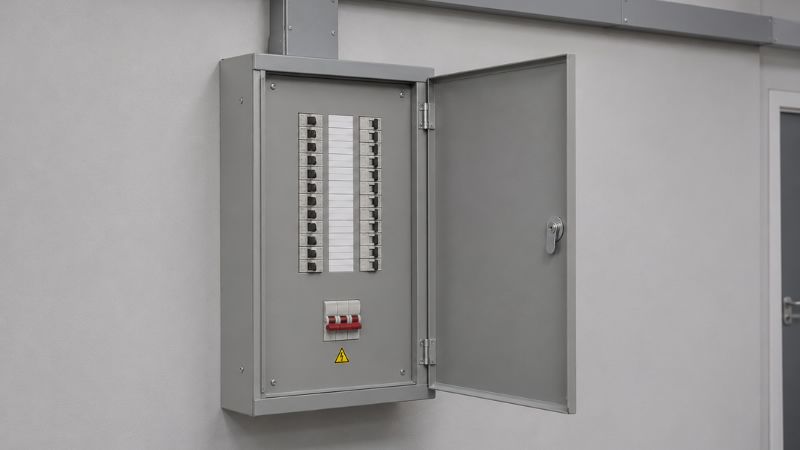
What Is a Fuse Board? A Guide for Commercial Premises
What is a fuse board, and how do you know whether the one serving your business needs…
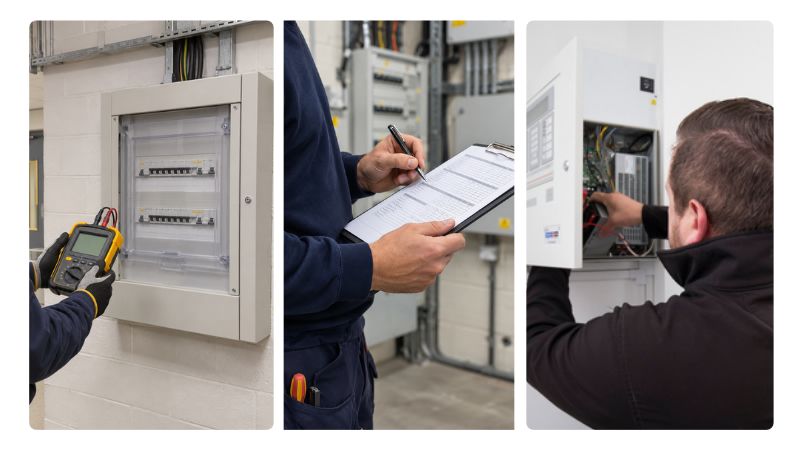
BS 7671 Amendment 4: What Changes for Your Next EICR?
Will the latest Wiring Regulations change the result of your next electrical inspection? With BS 7671 Amendment…

How Much Does a Commercial CCTV System Cost?
How much should your business budget for a commercial CCTV system? The cost depends on the areas…